Design & consultation
Site visits, planting plans and species selection tailored to your light, space and how the area gets used — for gardens and interiors alike.
Gardens · Interiorsflorascape is a boutique plantscaping studio based in Sydney, working across the Illawarra, Southern Highlands and Central Coast. We design, install and look after living green spaces for homes and workplaces — from courtyard and garden design to office greenery and ongoing plant care.
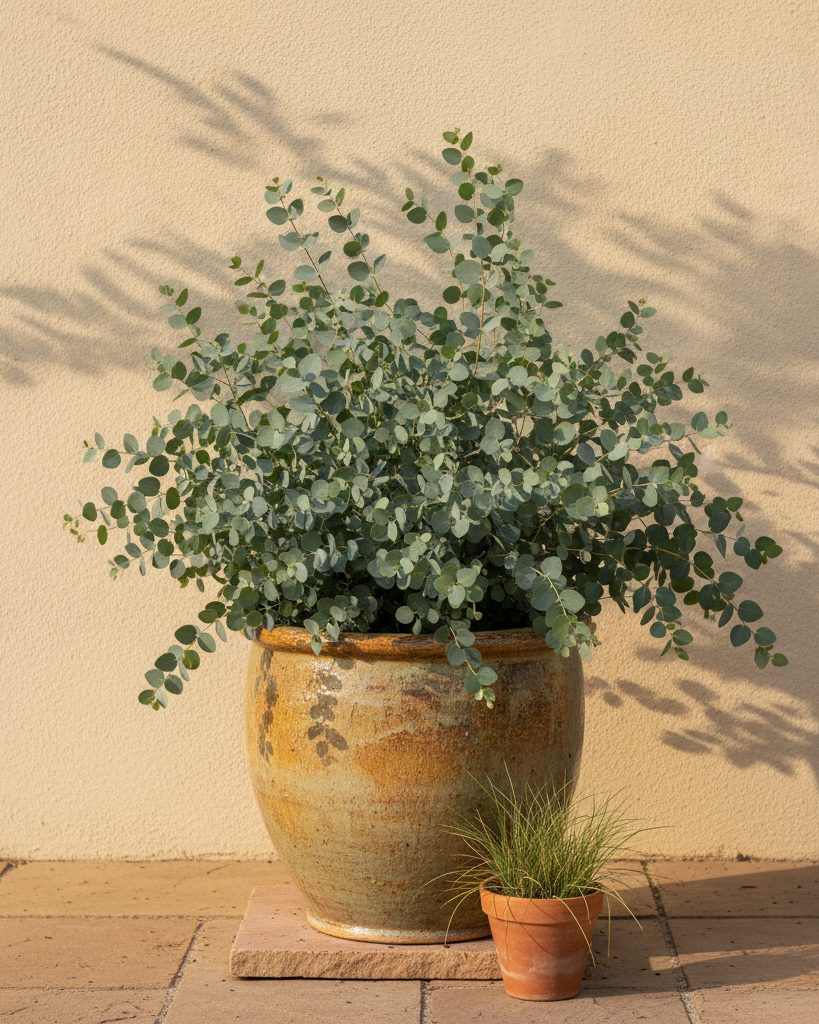
Whether it's a courtyard garden or a lobby full of foliage, we handle the thinking, the planting and the keeping-alive — so the greenery stays as good as the day it went in.
Site visits, planting plans and species selection tailored to your light, space and how the area gets used — for gardens and interiors alike.
Gardens · InteriorsWe source healthy, well-grown stock and install it properly — soil, drainage, pots and planters and all — leaving the space finished and thriving.
Full fit-outRegular visits to water, feed, prune and check plant health — every one logged against the plant, so nothing gets missed and you get a clear summary each quarter.
Care plansFrom a full garden redesign to a few statement plants for the patio, we help homeowners across Sydney and the surrounding regions create outdoor and indoor spaces that feel calm, established and easy to live with. And with a maintenance plan, you never have to wonder whether something needs watering, feeding or pruning.
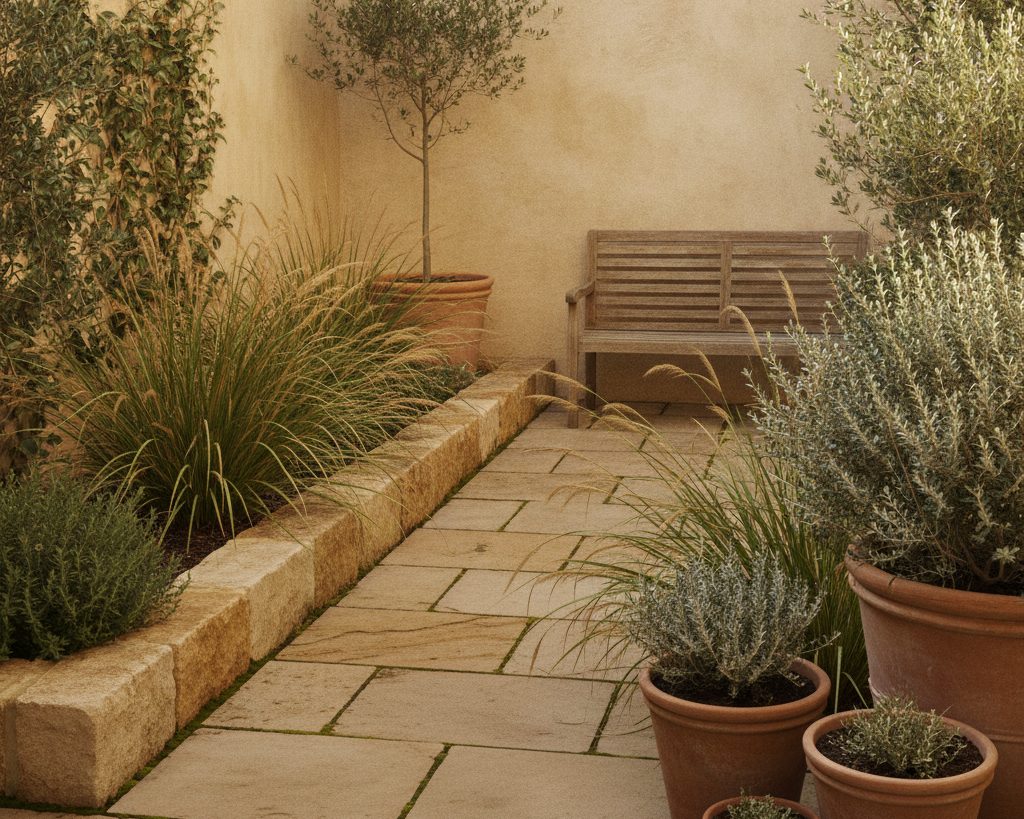 Concept imagery
Greenery is one of the simplest ways to lift a workspace, café or showroom — softening interiors, improving how a room feels and impressing the people who walk in. We design and install indoor displays and planters, then keep them looking sharp with scheduled care or flexible plant hire.
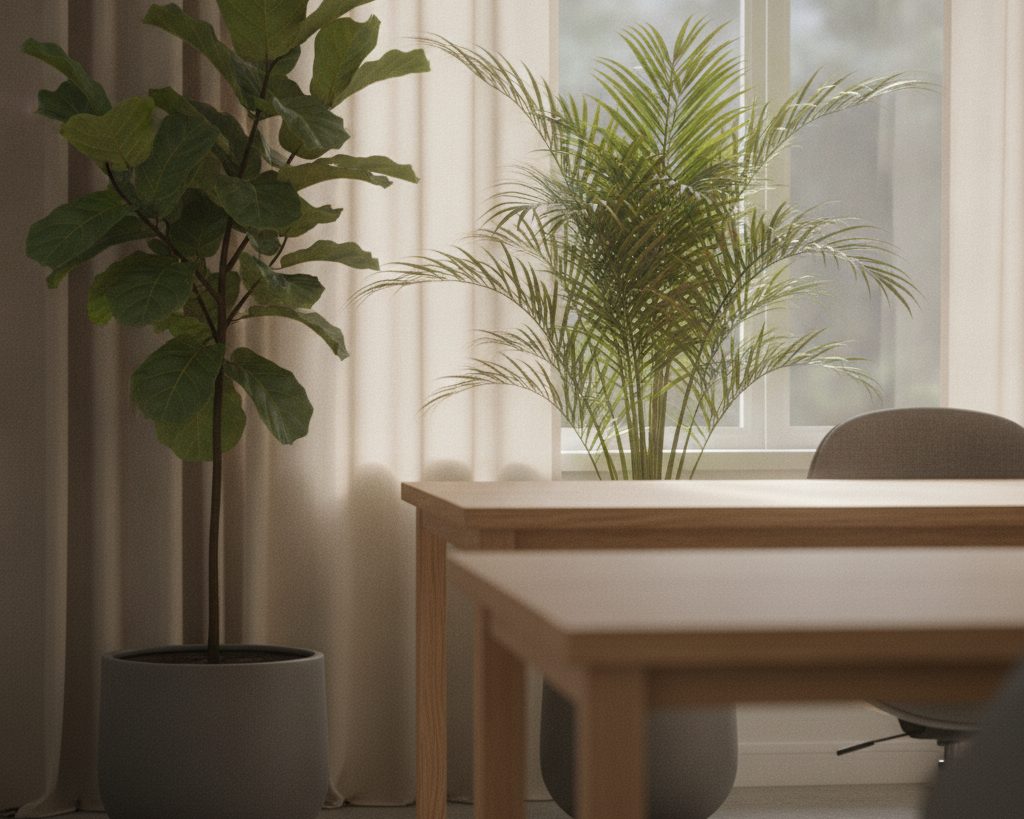 Concept imagery
We visit, listen to what you want and read the space — light, space, traffic and budget.
You get a clear plan: species, layout, pots and planters, with a transparent quote.
Our team delivers and installs everything, tidily, and sets it up to thrive from day one.
Optional regular visits keep everything healthy, so it looks its best long-term.
Upload a photo of your courtyard, balcony or living room, arrange pots and plants on it, and get back a photoreal concept image — free. It's the same first step we'd take with you on a real job.
If you like the direction, we'll quote it for real.
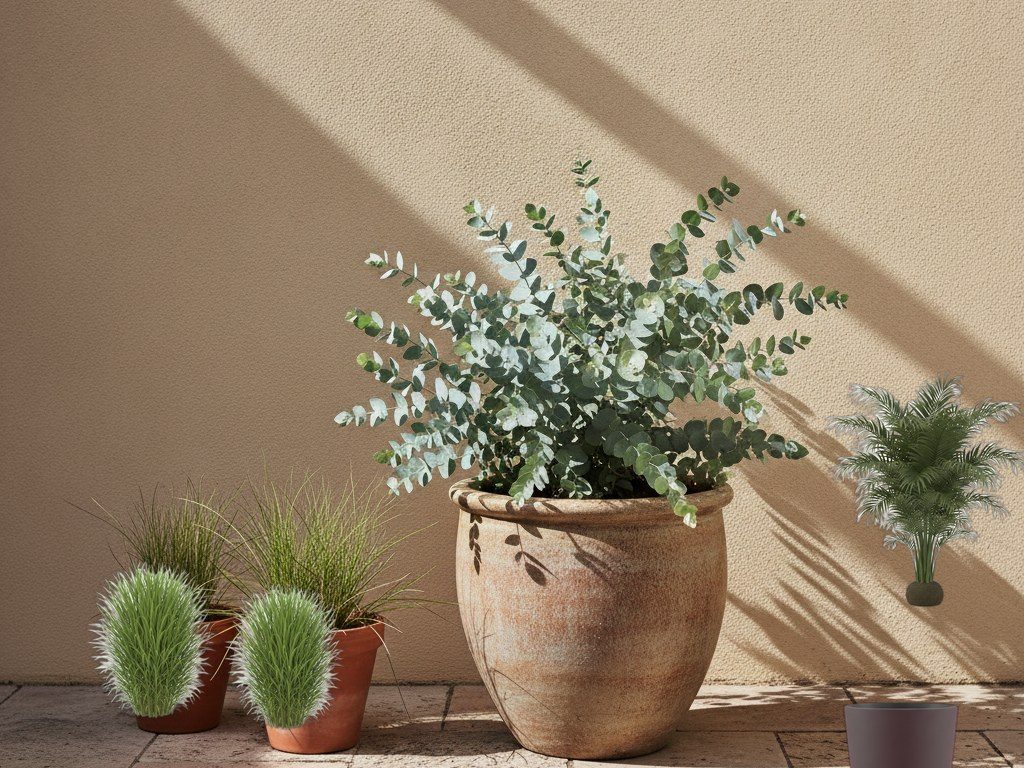 The arrangement
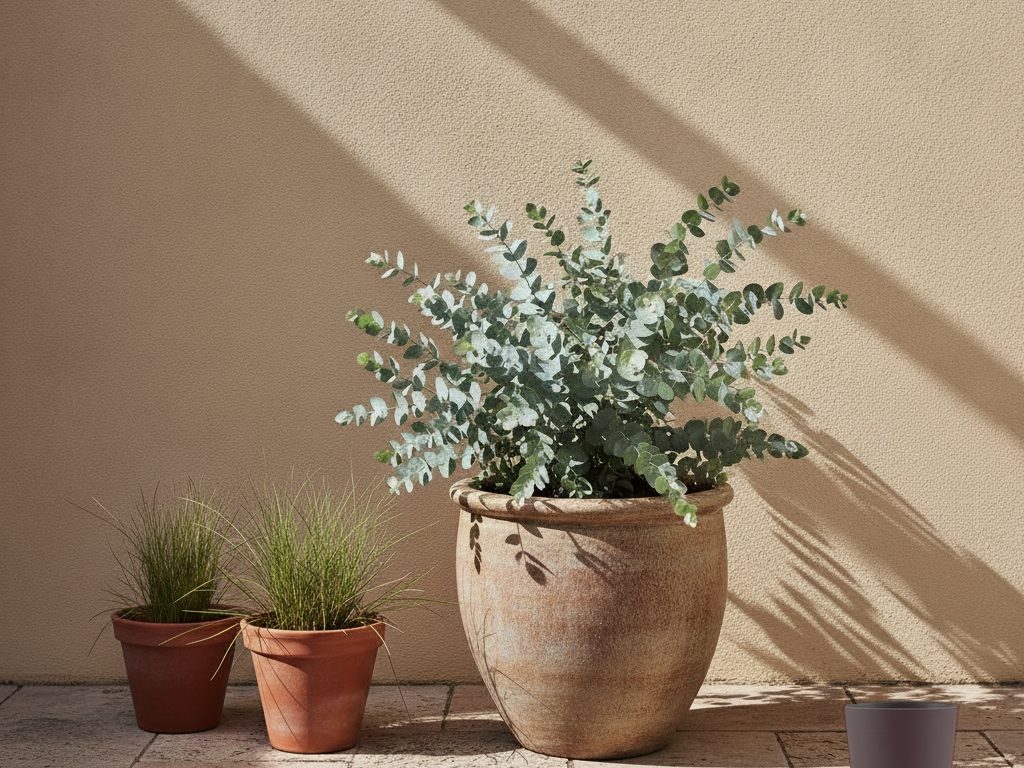 Photoreal concept
florascape is run by Chris — a third generation of gardeners, by way of a grandmother who worked in a garden centre and a childhood spent training bonsai in the backyard. The work came later: four years in nurseries and on farms across Melbourne and Queensland, then landscaping and two years of commercial interior plantscaping in Vancouver — with an honours degree in environmental science behind it, and research on catchment water flows in the Illawarra.
That combination is the whole point. Read a space as a system, match the planting to the conditions it will actually live in — and treat every plant as something you'll be back to look after, not something you dropped off.
It also means the person who quotes your job is the person who turns up to plant it.
"Bright" means something very different to a person than it does to a plant. Our eyes adjust; a light meter doesn't. So where a position looks marginal, we put a meter on it rather than trust an impression.
A meter reads the light where the plant will actually sit, not at the height we happen to be standing. And a desk that's bright at nine can be a cave by three — worth knowing before something goes in, rather than after it starts failing.
A moisture meter tells us what's happening at root level rather than on the surface. Overwatering kills far more office plants than neglect does, and it's invisible until it isn't.
Which way the glass faces, what's outside it, and how that changes with the seasons. We're planting for twelve months, not for the afternoon we visited.
Say there's a big deciduous tree outside a north-facing window. All summer it shades that room; come winter it drops its leaves and floods the same spot with light. That's effectively two different growing conditions six months apart, in one position. Specify for the day you happened to visit and you get something that limps through half the year. It's the sort of thing you only catch if you're thinking about the site as a system — which is exactly what the science degree was for.
Bars, cafés and restaurants we service before you open — nobody wants a watering can out during service. Offices we do through the day, but quietly and around the floor: nothing to move, nobody interrupted, no fuss made. Most people look up and the plants have simply been taken care of.
Which is the point — and also the catch. The person signing off the invoice is rarely the person who saw us. Six weeks on, all anyone sees is plants that look fine, and that's exactly when people start wondering what they're paying for.
So we write down and photograph every visit.
Each visit is logged and photographed — the date, what we did, what we noticed, and pictures of how things looked when we left. You can scroll back through months of it. No wondering whether the gardener actually turned up this week.
Plants also rarely die suddenly. They drift — a little less light after the desks move, a pot that drains slower than it used to — and by the time it's visible, it's too late. Records catch the drift while it's still fixable.
So every plant goes on file: species, position, light conditions, pot and soil, the date it went in. Then each quarter you get a plain-English summary — what's thriving, what we're watching, anything we replaced and why. For offices, that doubles as the paperwork that makes the spend easy to justify upstairs.
This industry bins a startling number of perfectly healthy plants. A ficus gets a bit leggy for a corporate lobby, a fit-out changes, a contract ends — and out it goes, pot and all. It's the part of the trade we like least, so we don't do it.
A plant that's outgrown its spot, come back from a hire, or been left behind by a refit.
Cut back, repotted, fed and given somewhere decent to recover for as long as it needs.
Rehomed to someone who wants it, or brought back into another job. Pots and planters get reused the same way.
Anything genuinely beyond saving gets composted properly — and that compost goes back into growing healthy plants. Either way the loop closes.
It also shapes how we quote. If your space already has plants and planters, we'll work out what's worth keeping before we suggest buying anything new — which is usually cheaper for you as well as better for the skip.
We match every species to the real conditions of your space — light, airflow, traffic and how much care it will realistically get. Plants that thrive, not just survive.
You see exactly what you're paying for — plants, pots, labour and any ongoing care — before we start. No vague lump sums and no surprises at invoice time.
Installation is the start, not the finish. With a care plan we're back on a schedule that suits you, and anything that doesn't take gets replaced.
Tell us about your home or workplace and we'll put together a quote — no obligation.